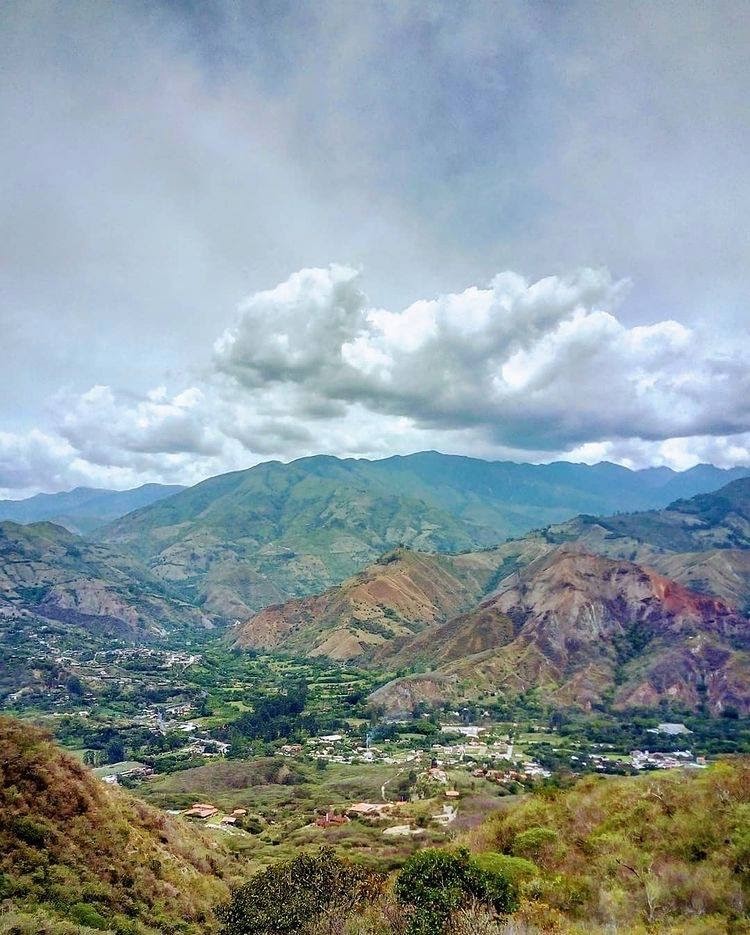
Our latest effort has been the engineering, design, approval and construction of the water plant for the Chontales development. The location for the plant is near the source where artesian well water flows naturally from the ground. Of course this source is deep in mountainous jungle and accessible only on foot. Over the past 5 months, nearly 100 tons of cement and rebar has been hand carried into the site, forms have been built, rebar has been bent and assembled and concrete has been hand mixed and poured to construct a water collection system capable of delivering over 40 liters of water per second. The scale of this system is amazing. Work is now underway for the main holding tank and water distribution manifold. Although much of the system will be gravity fed, there's also a pumping station to lift water high above the development into a second holding tank adding pressure and additional capacity. The main distribution lines are now in place in Tropicos Verde and El Chevierre and work is underway in Suenos Del Tropicos on the distribution system.
Covid19 closed Costa Rica to the world for much of 2020. They finally opened their airport to all international destinations as of November 1, 2020. The lack of tourism had a significant impact on some people, especially those with rental properties or investment properties they'd planned on selling last year. Here is a list of special deals we've come across that we don't often see. Remember back in 2007 and 2008 when some properties in Florida were sold for less than the cost to build them. That's almost the case right now in Costa Rica but mostly for investment parcels and hotels, which have suffered the most. investment parcel listings can be found here
- Show me the deals! Bargains can be had from a variety of sources; solvent developers who need infusions of cash to turn around lackluster sales, motivated expats who now need to sell as a result of changing economic situations, investors on the secondary market who need to adjust their exit strategy. All of these conditions have created buying opportunities we have not seen in years. The situation will likely change quickly however as vaccines are rolled out and the disruption in travel eases away.
On Sale: The developer I have sold for over the past 15 years has recently offered a reduction in building cost of nearly 10% as well as offering some 2 and 3 bedroom “house and pool” packages priced from $200k to $215k. These packages don’t include the home site but they’re being offered at substantial discount prices right now. Costa Rica has traditionally been a good market for strong rental income opportunities and with property management companies already in place, the opportunity to buy at wholesale prices has never been better.
-
- Cash is King action plan:
- I have a motivated seller on the secondary market who has a community lot in a well-established
gated development just a few miles from the beach offering a “ready to build” lot, complete with water and electric pandemic priced at just $16,000. Similar lots have sold for $40,000 or more. Don’t expect financing at these low prices but if you justskip your double mocha latte at Starbucks for a few years, you can afford some of these.
- I have a .75 acre ocean view parcel “on sale” at $105,000 that was previously listed at $145,000. This home site is fully improved and sits on a nice high ridge with a great ocean and mountain view. The lot is toward the end of a cul-de-sac and next door to a very profitable high end rental property.
enormous.
- I also have a resale lot in well established development that has been reduced by nearly 50% and is now being offered at $35,000. The lot is fully improved and ready to build on. Owner financing is available with 40% down.
- I have a listing for a nice 2 bedroom, 2 bath fully furnished with a pool in the village of Ojochal that's bargain priced at $299,000 but the owner said bring all offers. Pictures and details are available on request.
- I've got an ocean front condo in Jaco, fully furnished and on offer for $235,000, two bedroom, two bath with nice ocean facing balcony just a few steps from the beach and fully furnished. There's a great common area pool and rental management is available.
- I've got a listing for a 3 plex right in the village of Ojochal listed for quick sale at $140,000, three rental units, live in one and rent the other two. This "tico style" property is currently rented, just step in and make your money or improve the property as you like. Great walking location right in Ojochal.
- How do you take advantage of these bargains? I can custom design a bargain shopping or investment
property tour just for you. Keep in mind that I’ve offered group and individual property tours for the past 15 years and have inside knowledge on most markets in Costa Rica and Panama (other than the Caribbean side). With our fleet of luxury SUV’s, English speaking drivers and 3 tour vans we can accommodate individuals as well as groups. We are super Covid cautious and practice safe tour techniques. I can also take anyone on “virtual” property tours via zoom or with you on your laptop and me on mine, navigating using Bing or Google satellite maps. I can show you the deals as well as where the tourist amenities are, things like hospitals, restaurants, supermarkets, beaches etc. We even have a few sellers offering owner financing.
These “Sale Prices” won’t likely last for long so if you are serious about owning in Costa Rica, diversifying your real estate holdings, owning a rental property or just owning raw land, contact me right away to hear more about these bargain offerings. I can send you an updated short list of current offerings that will be sure to peak your interest. The list keeps changing as these properties are snapped up but and keep in mind that in most cases these deals are “cash only” but often a small deposit can hold a deal until you can get down to visit, but taking a property off the market does sometimes require a small non refundable deposit. Opportunities like these don’t happen every day
so why not take some of those stock market winnings and diversify into international property. You’ll be glad you did!.
Read More
Tags:
Real estate in Costa Rica,
Costa Rica foreclosed property,
Costa Rica bargain real estate,
Jaco,
retire Costa Rica
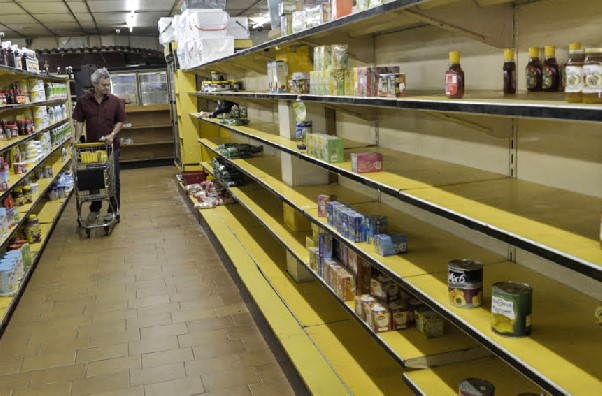
Venezuela brief history. Hugo Chavez was elected president in April 1999. He served the longest consecutive term of any president in Venezuela history but also used state power to change the constitution to eliminate term limits. He claimed this was best for the socialist reforms he implemented. Upon his death in March of 2013, Vice President Nicolas Maduro assumed the presidency. In a special election held that April 2013, Maduro was officially elected. Maduro was a bus driver and union leader and advanced under Chavez to be elected to the National Assembly in 2000.
Read More
Tags:
Sustainable living,
expat life,
Expat Living,
Central America
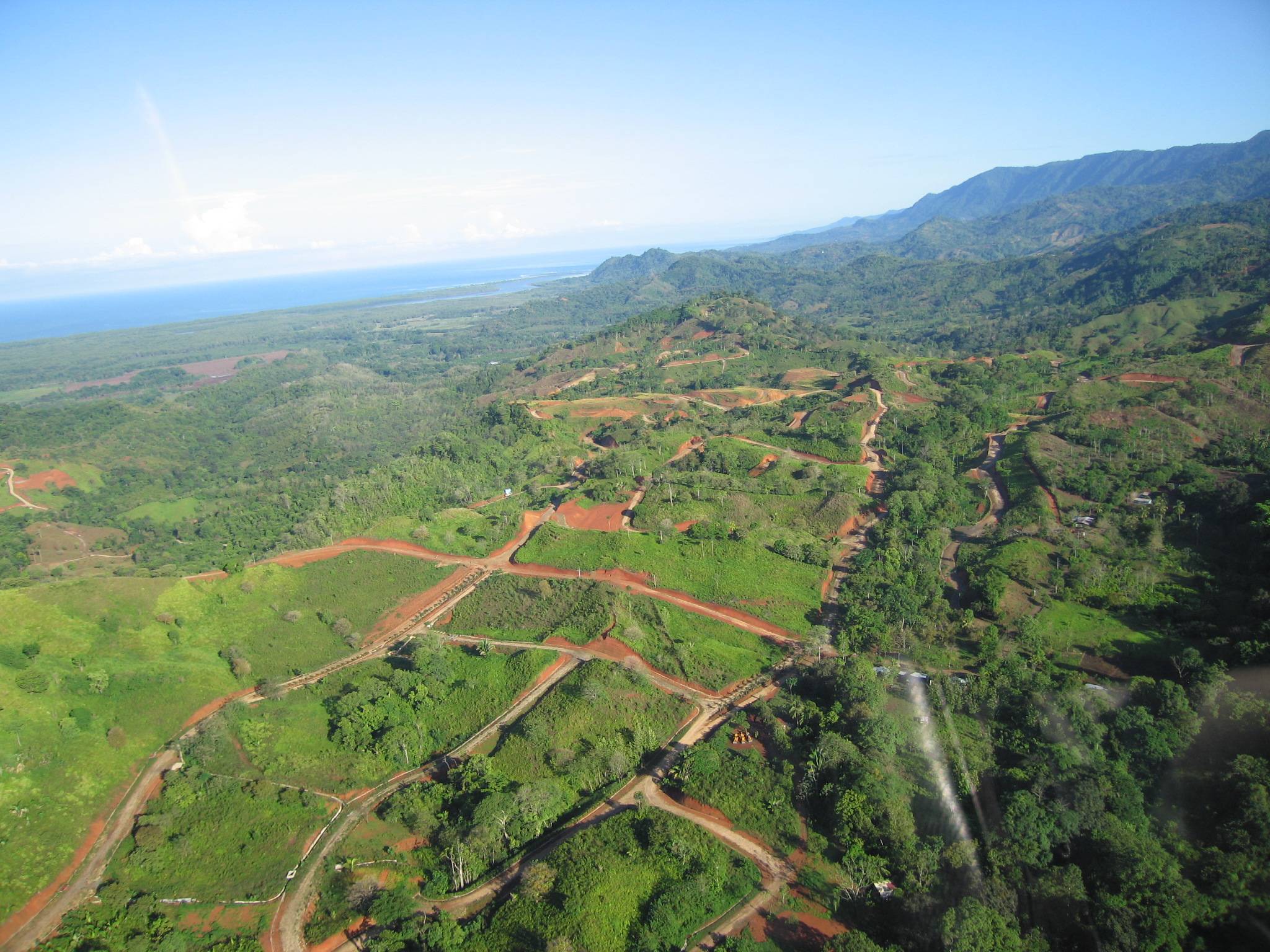
Costa Rica is noted for ecotourism and a great place to see exotic birds, sloths, monkeys and amazing rain forests. The government has gone to great lengths to protect the environment in Costa Rica. Ensuring that real estate development is done with regards to the environment has helped to preserve the beauty and nature that everyone wants to come and see. This piece is about the steps necessary to undertake development. I've posted it to show the depth of work that it takes to do good development and why there are so few that have stayed in business. We are proud of our 27 year history and glad there are protections in place to preserve this great country. Many developers who thought it was easy have since gone out of business when bank financing was not sufficient to keep them in business long enough to get through this bureacracy to complete the developments they'd started. The fact that we are debt free and don't rely on borrowed money is a great part of our success. The time and expense to complete all of these steps is onerous. This piece helps understand how expensive it is to do fully permitted development, meeting all the environmental and municipal standards that are in place to insure that developers are not harming the environment nor building shoddy developments that will burden the municipality down the road. See more about our developments and property tours at www.PacificLots.com
Read More
Tags:
Costa Rica property,
Development in Costa Rica,
permitting in Costa Rica
Should You Bring Your Car?
Read More
Want to Own Property in Playa Del Carmen that will make you money when you are not using it?
| Join Us on Thursday and Friday (February 8 and 9) in Houston and Dallas to learn about a great new real estate opportunity in Playa Del Carmen |
|
|
| Learn about ownership at The Fives downtown Playa Del Carmen by Hilton |
| Full Ownership Residences - The Smart Way to Own |
|
|
| The Fives Hotels & Residences |
|
|
We Invite you to attend two Real Estate Presentations in Texas (Houston on february 8th and Dallas on February 9th) of two of the most exciting projects in Playa del Carmen, México. Start this 2017 with the right foot and invest in one of the most exclusive developments in the Caribbean. Join us on Wednesday, February 8th 2017 from 17:30 - 19:00 at: The Sam Houston Hotel CURIO - A COLLECTION BY HILTON 1117 Prairie Street | Houston, TX 77002
T 832.200.8807 | F 832.200.8811 I M 281.814.4361 Join us on Thursday, February 9th 2017 from 17:30 - 19:00 at: The Highland Dallas CURIO - A COLLECTION BY HILTON 5300 E Mockingbird Lane, Dallas, Texas, 75206, USA TEL: +1-214-520-7969 FAX: +1-214-520-8025 Be Sure to tell them Steve Linder sent you to take advantage of our great Discovery tour to see the properties. if you are located outside of Texas, send me an email to learn more about this opportunity, Steve@thefives.com.mx |
|
|
| You'll also learn about The Fives Beach Club in Playa del Carmen, a Karisma Hotel collection hotel yet owned by individuals like you and me. |
|
|
| This is a look at The Fives Beach Club, full ownership opportunities available! Pay no fees, no taxes, no maintenance, no HOA, no utilities and yet have two months of usage per year. Come learn about this great program
| The Fives | Playa del Carmen El Limonar 1 Xcalacoco, 77710 Playa del Carmen, Quintana Roo 77710 Mexico
|
|
| |
|
|
|
|
|
| |
|
|
|
|
Read More
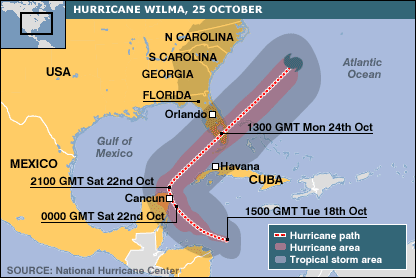
Fortunately Costa Rica does not get hurricanes but here's a funny look at Hurricane preparedness that we received from a friend about our Key West House
Read More